
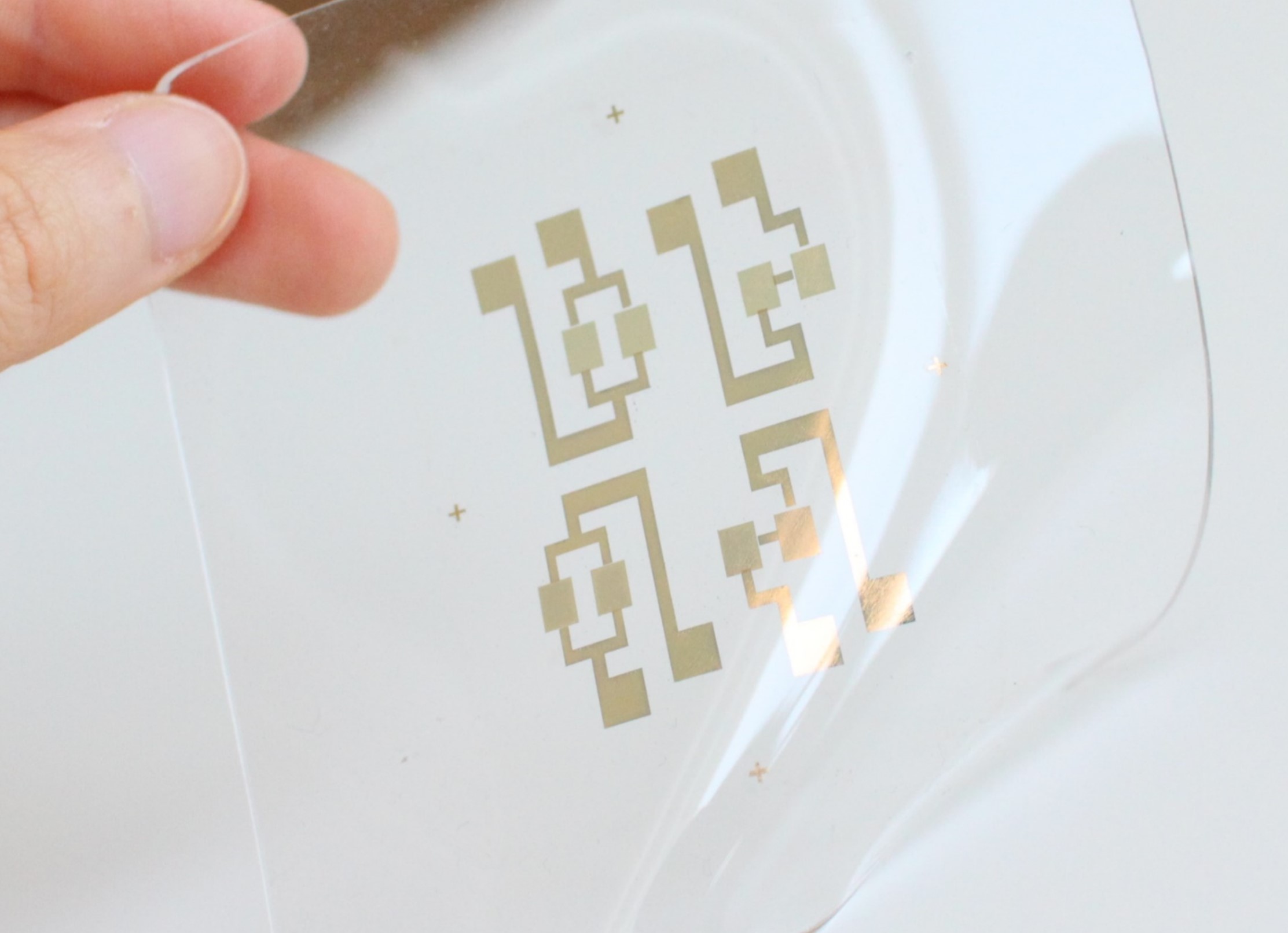
Materials-embedded mechanical computing integrates computational components within the structure of materials. This approach harnesses the mechanical properties to perform computational tasks, advancing fields like robotics, smart materials, and wearable technology. By embedding computing functionality directly into the material, researchers and engineers can create more efficient devices, revolutionizing technology in our daily lives.
Metal-elastomer nanophase materials are composite materials that combine metal and elastomer in the nanoscale, engineered to exhibit unique mechanical properties for various applications. By controlling the composition and structure at the nanoscale, engineers can tailor their strength, flexibility, and conductivity. The combination of metal and elastomer allows for the creation of hybrid materials that can withstand high mechanical loads while maintaining resilience and damping characteristics. As nanotechnology advances, the potential applications of these materials continue to expand, opening doors to new possibilities in flexible electronics, energy storage, and advanced manufacturing processes.


Soft interfaces engineering is essential for the development of soft electronics. It involves material selection, flexible structures, and collaboration between engineers and researchers.
 Soft Interface Engineering Laboratory